
For a long time, the world of therapy has had a bit of an ‘obsession’ with fixing people. If you walked into a therapy room with an ADHD or Autistic brain, the goal was almost always the same, ‘How can we make you act more “normal?’ It’s known as ‘social skills training’ or ‘behavioural modification’, but to be honest, it was more about training people to be more compliant and fit in with the predominant neuro-type.
Thankfully, the tide is turning. We’re moving toward something called neuroaffirming practice, and this isn’t just a trendy buzzword; it’s a total shift in how we treat human beings. It’s the difference between telling someone their brain is ‘broken’ and acknowledging that their brain is just wired differently.
The ‘Broken” vs. Different’ debate
Forgive this simplistic analogy but if you try to run Mac software on a Windows computer, the computer isn’t broken. It’s just a different operating system.
For decades, the Medical Model of disability treated neurodivergence like a dodgy bit of hardware. It focused entirely on what a person couldn’t do and was seen as you living with a load of deficits. But neuroaffirming therapy uses the Social Model. This says, ‘Hey, maybe the problem isn’t your brain – maybe the problem is that the world and normative culture was built for a completely different OS’.
By adopting a neuroaffirming lens, we (as therapists) stop being the mechanic trying to repair you. Instead, we become collaborators helping you navigate a world that wasn’t exactly designed with your sensory needs or communication style in mind. This enables you to live in a more self-compassionate and forgiving way.
The exhausting cost of the ‘Mask’
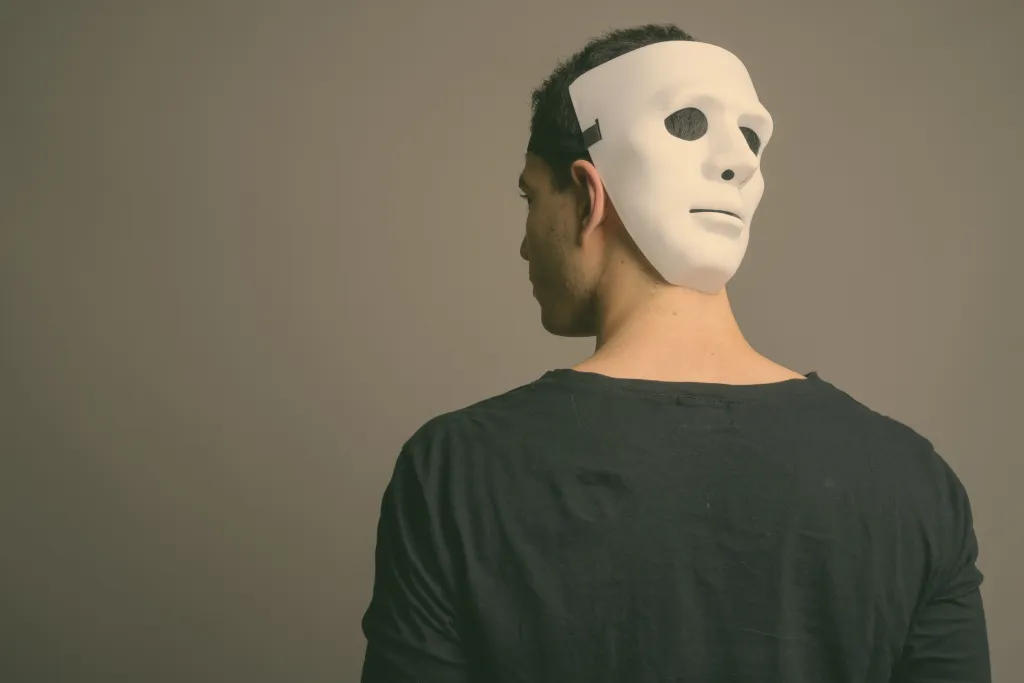
If you’re Autistic, ADHD or AuDHD, you probably know all about masking and camouflaging. It’s that invisible, heavy armour you put on every morning to blend in. It’s forcing eye contact when it feels like your skin is crawling, or biting your tongue when you desperately want to talk about your latest hyper-fixation because you don’t want to seem ‘too much’. It can also be people-pleasing to keep everyone happy with you, so you stay under the radar and there’s a reduced comeback that you are not ‘enough’. Standard therapy used to and in some cases still actually encourages masking. For example, the success of a session was measured by how well a client could pass for neurotypical.
But here’s the problem: masking is exhausting. It leads to massive burnout, deep depression, and a total loss of self. As neuroaffirming therapists, we get this. They don’t want you to ‘fit in’ at the cost of your mental and physical health. We want to create a space where you can finally take the mask off, stim if you need to, and realise that your natural state isn’t a problem to be solved.
In our neuroaffirming space, we don’t demand that you follow standard social rules. We recognise that being direct isn’t being rude, and that ‘info-dumping’ about your favourite hobby is actually a beautiful way of connecting. It’s about mutual respect, not one person teaching the right way to talk.
What does this actually look like?
If you walk into a neuroaffirming therapy session, things might look a little different:
The therapy room environment: We can adjust the lighting, we reduce the sensory impact of textures with the soft furnishings, stim and fidget items are provided (or bring your own!), the temperature is adjustable and no strong smells or perfumes. We try to reduce sensory overwhelm as much as possible,
If you want to make goals: these will be neuro-affirmative, realistic ones, eg. we aren’t looking at making friends the ‘normal’ way – we’re working on setting personal boundaries, spaces where you feel safe to make friends and working through the very real fear brought on by RSD (Rejection Sensitivity Dysphoria).
Ultimately, you have the power: You are the expert of your brain. We are just the guides.
For us it’s all about your autonomy. It’s about helping you find the tools to live a life that actually feels good for you, not a life that looks productive to everyone else.
The bottom line
At the end of the day, neuroaffirming practice is about belonging. It’s about telling people, ‘You don’t have to change the core of who you are to be worthy of support’. It’s about helping you to change the narrative around from, ‘Why can’t I just do x, y, z? I’m so useless’, to understanding how your energy works and seeing what fills you up with energy, and what depletes you so you can manage your days without burning out.
When we stop trying to ‘fix’ brains that are simply different, we unlock so much potential. We move from a place of shame to a place of pride. And honestly, that’s what therapy should have been about all along.
At Kosel, you will never feel othered, weird or the odd one out. We embrace and champion each person’s originality and diversity. We both have our own lived experience of neurodivergence and understand the difficulties this can bring in a neuro-normative world. Working together means we can help you to advocate and understand yourself so you feel empowered navigating the world in all your neurodivergent glory!
Further reading:
We love Dr Luke Beardon’s Golden Equation. Read more >>
Dr Devon Price: Unmasking Autism